
FailCraft
I Finished My Book in Prison: Why Healing Keeps You Stuck
Andrew Drasen on why healing or sobriety is only the baseline — and why many get stuck instead of building purpose after prison, addiction, and grief.
Open in Spotify or host player →
What goes through your mind when you finish writing a memoir about your own addiction, just minutes before walking out of a prison dayroom for the last time?
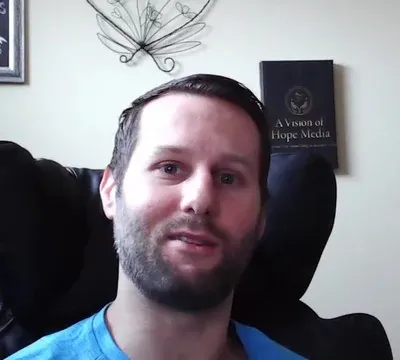
Andrew Drasen, author of A Vision of Hope, survived years of heroin addiction, overdoses, and incarceration. But surviving isn’t the same as living. In this episode of FailCraft, Andrew explains why simply “healing” or “getting sober” is only the baseline — and why so many people get stuck there instead of moving forward to build a life of purpose.
This episode dives into the FailCraft theme of rebuilding your identity from absolute zero.
In this episode
- The prison dayroom: The surreal moment Andrew finished his book right before his release
- Why healing is uncomfortable, and why ignoring your past will destroy your present
- The 90-day framework: Why science supports roughly three months to rewire habits
- The identity gap: Why overdose risk spikes immediately after leaving prison
- How Andrew transmuted the tragic suicide of his fiancée into fuel for his mission
- Living by accident: How doomscrolling is proof you have no vision for your life
- The first thing you must write on a piece of paper to escape your own mental prison
- Andrew’s definition of true success: leaving a positive impact on the people who need it most
Chapters
- 00:00 Hook: Why healing is uncomfortable
- 01:25 Introduction: Andrew Drasen’s journey
- 02:02 The difference between healing and moving on
- 04:14 Why “recovery” is a universal human experience
- 05:04 The 90-day framework for rewiring your life
- 07:24 The danger of the “identity gap” after prison
- 09:51 Turning devastating grief into a life mission
- 10:52 Are you living by accident? (The doomscrolling trap)
- 11:51 How to escape the mental prison of negative self-talk
- 13:28 A Vision of Hope: Writing a book behind bars
- 16:02 Andrew’s definition of true success
- 17:02 How to connect and get the book
Explore further
Continue the conversation
Episode transcript & show notes
Andrew Drasen on FailCraft explains why healing alone keeps people stuck after prison and addiction — the 90-day framework, identity gap after release, grief, and building purpose beyond sobriety.
Key takeaways
- Finishing the memoir minutes before release is the baseline — not the finish line for a life of purpose.
- Healing without identity work leaves people in the "identity gap" where overdose risk spikes after prison.
- The 90-day framework gives roughly three months to rewire habits — structure beats doomscrolling and accidental living.
- Grief after Caroline's death became fuel for mission instead of a reason to relapse.
- True success means positive impact on people who still need hope — not perfection or sanitized recovery branding.
Discussion highlights
Prison dayroom origin. Andrew finished A Vision of Hope in the dayroom before walking out — proof that purpose can be built inside the system that broke you.
Healing vs. moving on. Sobriety and baseline healing are necessary but insufficient; many stall because they never define who they are becoming next.
Identity gap after release. The danger window between custody and community is where structure, accountability, and vision matter most.
Mental prison of self-talk. The first assignment is writing what you want to change and what you want it to become — on paper, honestly.
FailCraft theme. Rebuilding identity from absolute zero — the same arc ReturnPath and the trilogy teach in programs nationwide.