
Top 10 True-Story Addiction Recovery Memoirs (2025 Edition)
Behind every relapse and redemption lies an _addiction recovery memoir_ that could save another life. The best addiction memoirs 2025 offer readers proof that transformation is possible — not as a slogan, but as a docum…
Behind every relapse and redemption lies an addiction recovery memoir that could save another life. The best addiction memoirs 2025 offer readers proof that transformation is possible — not as a slogan, but as a documented path through shame, repair, and identity.
By sharing our stories, we offer others a mirror — showing how healing can look and reminding them that transformation is possible. Memoirs aren’t just reflections; they’re roadmaps. Companion volumes like A Vision of Hope: Reflections help readers turn story into daily practice. They’re being used in treatment centers, recovery programs, and re-entry curriculums to open conversations that statistics can’t.
Through storytelling, we begin to recognize ourselves in others. As the saying goes: “Take what you can use and leave the rest.”
How to Choose the Right Addiction Recovery Memoir
Not every memoir fits every reader. Before you pick one, ask:
- Whose voice do you need? Your own struggle, a parent’s perspective, a literary lens, or a faith-based arc?
- What stage are you in? Early crisis, early recovery, long-term maintenance, or rebuilding after incarceration?
- Will you read alone or in a group? Some books spark better discussion than others.
- Do you want humor, grief, policy, or pure raw confession? The best addiction memoirs 2025 span all of these.
If you’re building a program library, pair one flagship memoir with a reflection or workbook so readers move from inspiration to practice — exactly what the A Vision of Hope trilogy is designed to do.
Why These Memoirs Belong in Recovery Programs
Treatment centers and peer groups use memoirs because they do what lectures cannot: they build empathy, normalize relapse and repair, and give language to experiences people are ashamed to name aloud.
The books below are true stories — not self-help frameworks dressed as narrative. Each one shows recovery as it actually happens: nonlinear, costly, and sometimes contagious in the best way.
1. A Vision of Hope: A Story of Redemption and Purpose — Andrew Drasen
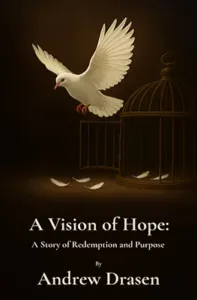
A Vision of Hope: A Story of Redemption and Purpose is a raw, redemptive journey from incarceration to inner freedom. It transcends the typical recovery memoir by weaving in justice reform, re-entry, and the spiritual awakening that follows loss. It’s already being integrated into group programs and curriculums as a blueprint for transformation.
Best for: Re-entry programs, counselors, and readers seeking meaning beyond sobriety.
2. The Recovering: Intoxication and Its Aftermath — Leslie Jamison
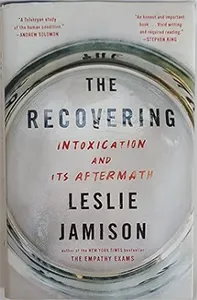
The Recovering blends memoir and cultural criticism. Jamison examines how artists and ordinary people wrestle with the myth of the tortured genius — and reveals the beauty and monotony of staying clean without glamorizing relapse.
Best for: Readers who want literary depth and psychological insight.
3. High Achiever — Tiffany Jenkins
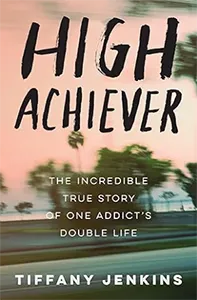
Witty, fast-paced, and brutally honest, High Achiever chronicles Jenkins’s hidden life as a high-functioning addict and her road to recovery after jail. She uses humor to disarm shame and make redemption relatable.
Best for: Those who appreciate humor and honesty in the darkest moments.
4. Beautiful Boy — David Sheff
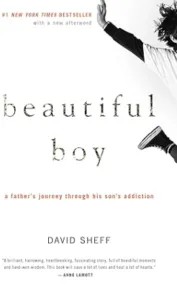
A parent’s eye view of addiction, Beautiful Boy exposes how substance use ripples through an entire family. Sheff’s compassion makes it essential reading for anyone loving someone in recovery.
Best for: Families and loved ones of those struggling with addiction.
5. Tweak — Nic Sheff
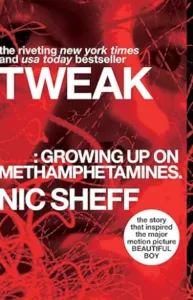
Nic Sheff’s companion memoir to Beautiful Boy brings the son’s voice to the same story, diving into the inner chaos of relapse, repair, and identity. His vulnerability makes the circular path of recovery painfully real.
Best for: Young adults, program facilitators, and peer support groups.
6. Dry — Augusten Burroughs
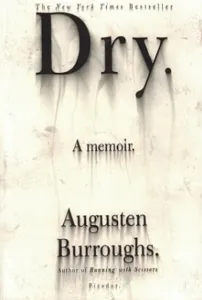
Dark humor meets raw confession in this modern classic. Dry lays bare the absurdity of maintaining normalcy while battling alcoholism in the advertising world.
Best for: Readers seeking sharp wit mixed with brutal truth.
7. Drunk Mom — Jowita Bydlowska
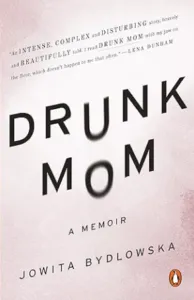
Drunk Mom is a fearless look at postpartum addiction, motherhood, and relapse. Bydlowska’s unflinching honesty helps dismantle shame around women and addiction.
Best for: Mothers and professionals exploring gender-specific recovery challenges.
8. Parched — Heather King
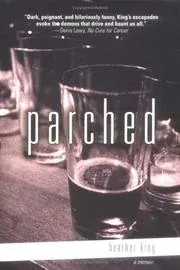
A former lawyer and NPR commentator, King writes about alcoholism as a spiritual illness in Parched. Her prose is luminous — turning self-destruction into an awakening of faith and grace.
Best for: Faith-based recovery groups and readers drawn to spiritual renewal.
9. Blackout — Sarah Hepola
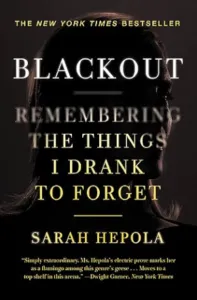
Hepola’s memoir of drinking, blackout, and identity dismantles the “party girl” myth. Her writing captures the moment of reclaiming self-respect after years of running from pain.
Best for: Women in early recovery or those confronting social drinking culture.
10. Lit — Mary Karr
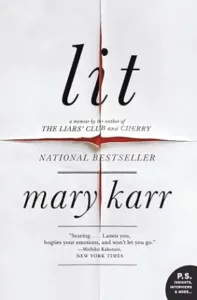
Karr, author of The Liar’s Club, delivers another masterpiece that fuses poetic precision with unfiltered honesty in Lit. She explores faith, forgiveness, and the long road to spiritual recovery.
Best for: Readers who crave literary memoirs with a redemptive arc.
Using Memoirs With Reflection and Work
These books about overcoming addiction reveal that recovery isn’t one-size-fits-all — each voice adds to the collective story of healing. Taken together, these memoirs of redemption and healing give readers hope and a practical framework for their own recovery.
Many programs now pair reading with journaling or reflection workbooks to deepen recovery. A Vision of Hope: Reflections bridges the memoir and daily practice; A Vision of Hope: The Workbook is designed exactly for that: to help readers turn someone else’s story into their own turning point. Facilitators running structured cohorts can also explore ReturnPath.
Every memoir on this list reminds us that relapse isn’t the end of the story — it’s a plot twist. Recovery is rarely linear, but hope always circles back.
Every one of these stories proves that recovery is possible. And contagious. If you’re ready to start with one, begin with A Vision of Hope: A Story of Redemption and Purpose — then explore the rest. Share this list with someone who still needs to believe that.
For more on why honest narratives matter, read Why Redemption Stories Matter.
Frequently Asked Questions
What are the best addiction recovery memoirs to read in 2025?
This list highlights ten true-story memoirs spanning incarceration, family impact, literary recovery, faith, and gender-specific experiences. Start with the book whose voice matches your situation — or begin with A Vision of Hope if you want reentry and justice themes alongside personal recovery.
Are addiction memoirs helpful in treatment programs?
Yes. Memoirs build empathy, open group discussion, and normalize relapse and repair in ways lectures often cannot. Pairing a memoir with a workbook or facilitator-led curriculum deepens the impact.
Should I read memoirs if I’m in early recovery?
Often yes — if you choose voices that inspire rather than trigger. Avoid glamorized using details if you’re fragile early on; lean toward stories emphasizing accountability, connection, and repair.
What’s the difference between a recovery memoir and a self-help book?
Recovery memoirs are narrative first — lived experience documented in real time or retrospect. Self-help books lead with frameworks. Both can help; memoirs tend to build emotional identification faster.
Can families benefit from addiction memoirs?
Absolutely. Books like Beautiful Boy and Tweak show addiction from both parent and child perspectives. Families also benefit from recovery resources alongside reading.
How do I turn reading into action?
Read one chapter or entry at a time and respond on the page. Reflections and The Workbook are built for that rhythm — story, reflection, daily practice.